The studios behind the pictures
A handful of commercial firms made most of the images the world saw of Ceylon. Their marks are still visible on the prints.
These photographs were mostly made to be sold, to travellers, planters and collectors. Look closely at the lower edge of a print and you may find the maker’s name and a negative number scratched into the plate. Those small marks are among the best evidence this archive has.
Skeen & Co was the longest-lived of the early firms. It grew out of a Colombo studio bought in 1860 and operated under the Skeen name from the late 1860s. W. L. H. Skeen left for Burma in 1887, and a Kandy branch opened in 1891. The firm is thought to have ceased trading around 1920.
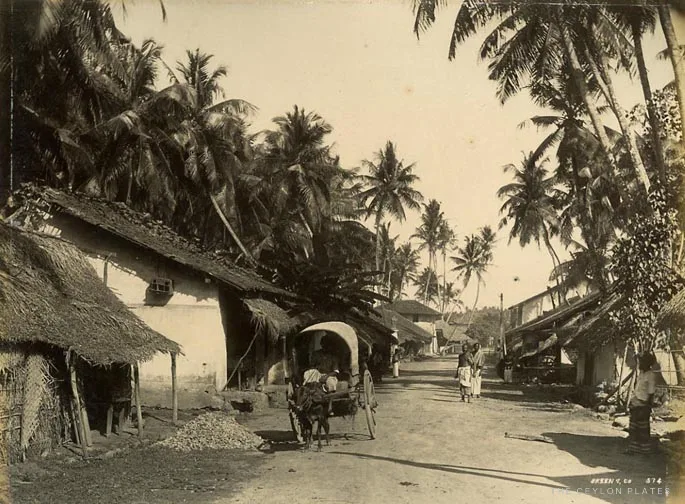
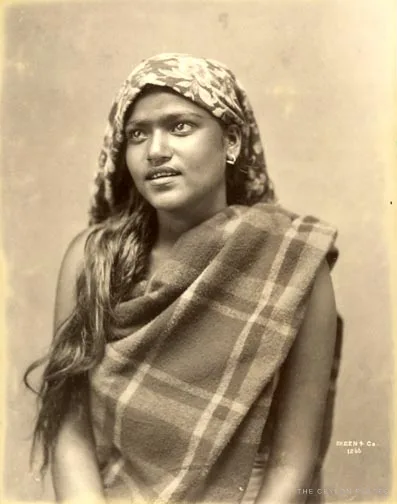
Charles Scowen’s firm, Scowen & Co, is especially associated with beautifully composed botanical studies and carefully lettered captions. In the mid-1890s its stock of negatives was acquired by the Colombo Apothecaries Co, which helps explain why similar images can appear with different marks and why a print’s date may be later than its negative.
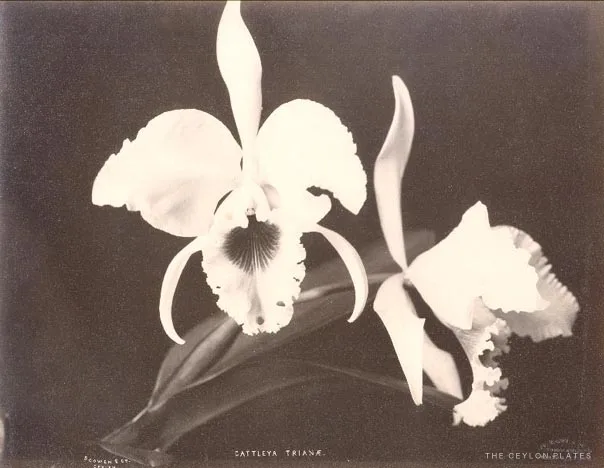
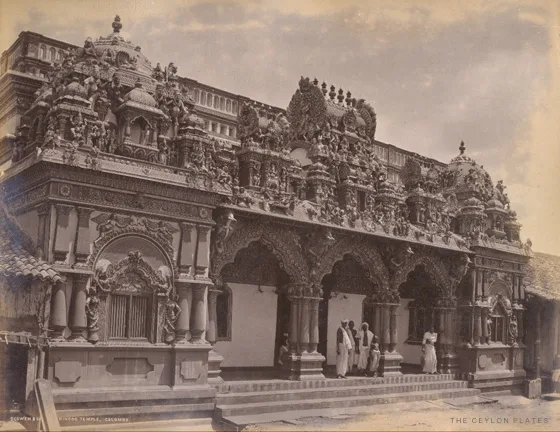
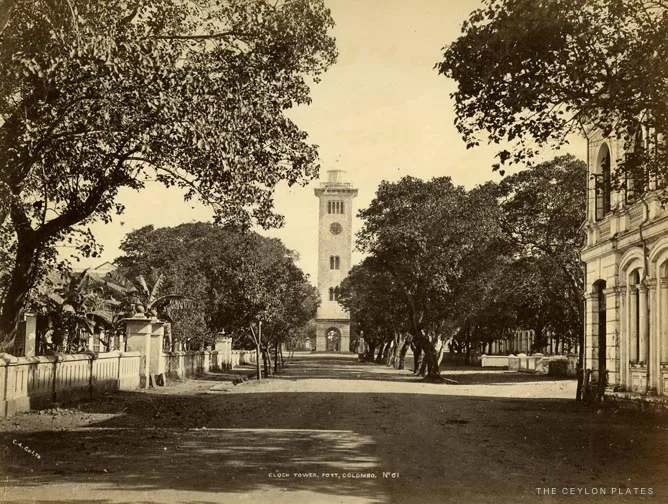
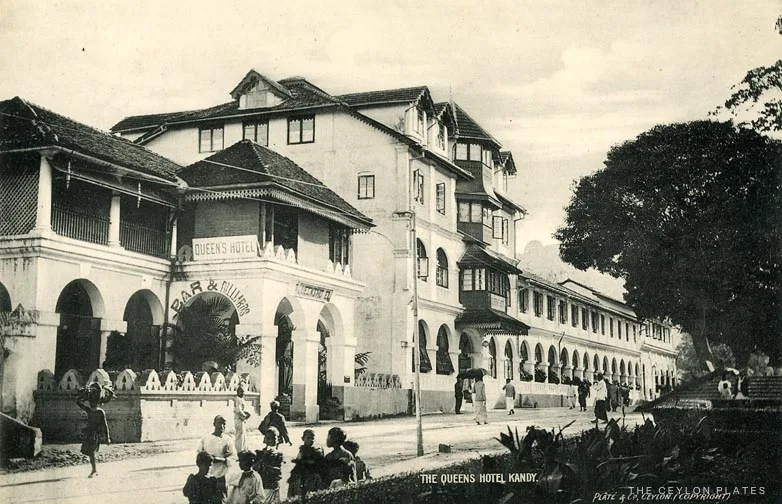
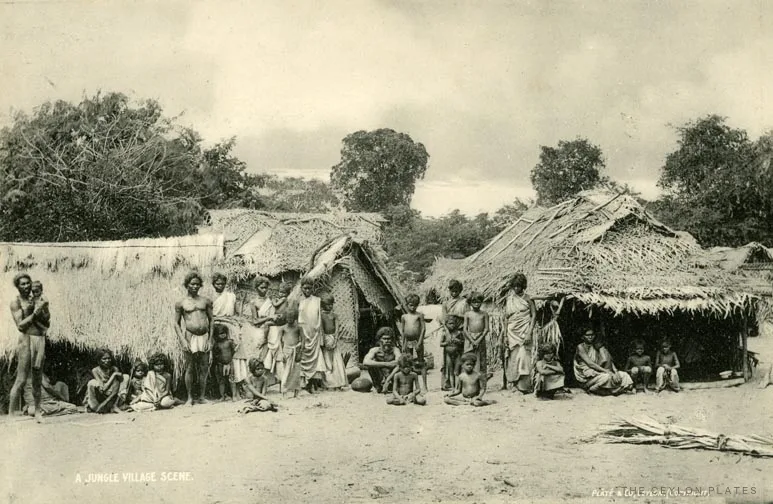
A later generation is represented by Plâté & Co, founded by the Hamburg-born photographer A. W. A. Plâté. Its images, often with a confident copyright line, are typical of the years when the picture postcard was bringing views of Ceylon to a much wider public.
Next story: The line to the hills